
Hardwood Floor Sanding in Southampton, NY
Old, scratched hardwood deserves a fresh start. We sand and restore floors across Southampton.
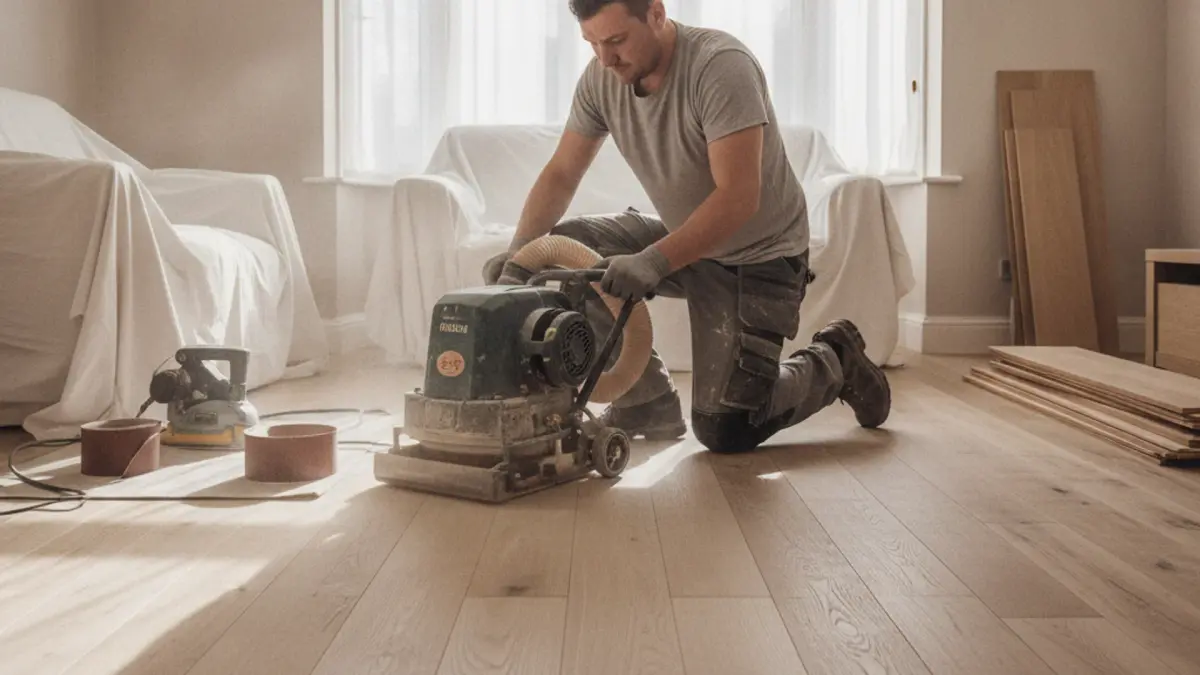
Does Your Southampton Hardwood Floor Need Sanding?
Scratches, gray patches, and dull spots are the most common signs your floors need attention. Salt air and fine beach sand tracked in from Cooper's Beach or Dune Road wear down finish faster than most homeowners expect. We've seen floors near the water that needed refinishing every few years because of it. Seasonal homes are another story. A floor that sat through a cold winter can come back warped or stained from a slow pipe leak. Waiting too long means the damage goes deeper into the wood itself. Sanding removes the old finish and the surface damage all at once. The sooner you catch it, the less wood gets taken off. Skilled floor sanding work is a real craft, and the [1] Bureau of Labor Statistics notes that experienced flooring installers and finishers develop years of hands-on skill.
Scratched or Scuffed Floors
High-traffic areas pick up scratches fast, especially near entryways. Sanding takes them down to bare wood so the finish looks fresh again.
Dull or Worn Finish
Years of foot traffic strip the shine right off a floor. Sanding and recoating brings back the color and sheen.
Water Stains and Dark Spots
Leaks and spills leave dark stains that cleaning won't touch. Sanding removes the stained wood layer before it spreads deeper.
Storm or Flood Damage
Nor'easters and heavy rains hit low-lying parts of Southampton hard. Flood-damaged floors often need sanding before any new finish can hold.
Seasonal Home Reopening
A floor that sat closed all winter can look rough by spring. Sanding before summer guests arrive makes a big difference.
Changing the Floor Color
Want to go from orange oak to a gray or white oak look? Sanding is the first step before any new stain goes down.
The Right Crew Makes All the Difference
A bad sanding job can remove too much wood or leave uneven patches. That's hard to fix. We've been working on Southampton floors since 1988. We know how coastal humidity, salt air, and seasonal use affect hardwood. Getting it done right the first time saves you money and headaches down the road.
What to Expect When You Call Us
Get Your Floors Sanded This Season
Spring books up fast in Southampton, especially April and May. Call us now to get on the schedule before the summer rush hits. Our floor refinishing team is ready to help.
How Hardwood Floor Sanding Works
The process is straightforward, and we walk you through every step so there are no surprises.
We Assess and Quote
We visit your home and look at the condition of your floors. We check for deep scratches, stains, and how much wood is left. Then we give you a clear price before any work begins.
We Sand and Stain
We use dustless sanding equipment to strip the old finish down to bare wood. Any stains or damage get removed in this step. Then we apply the stain color you chose and let it set properly.
We Finish and Seal
Once the stain is dry, we apply your chosen finish, whether that's matte, satin, or semi-gloss. Matte finishes are popular near the beach because they hide wear from sand and salt. We let it cure fully before you walk on it.
Hardwood Floor Sanding Cost in Southampton
Sanding costs vary based on square footage, the condition of your floors, and the finish you choose. Floors near the water in Shinnecock Hills or along Dune Road often need more prep work because of moisture and salt wear. Older homes in Southampton Village may have wide-plank pine that needs careful, slower passes. We give you a clear quote before we start. No hidden charges get added after the fact. If you want a custom stain color or a specialty finish, we'll price that out for you upfront too.
Hardwood Floor Sanding Questions Answered
Here are the questions we hear most from Southampton homeowners.
-
How much does hardwood floor sanding cost in Southampton?
Most jobs run between $3 and $8 per square foot. The final number depends on the size of the area and the condition of the wood. Floors with deep water stains or heavy salt damage take more time and cost a bit more. We always give you a firm quote first.
-
How long does the sanding and refinishing process take?
A typical room takes one to two days to sand and finish. Larger homes or floors with extra damage take longer. The finish needs time to cure after we apply it, usually 24 to 48 hours before light foot traffic. We'll give you a clear timeline before we start.
-
Can I sand my own hardwood floors instead of hiring someone?
Renting a drum sander sounds simple, but it's easy to sand unevenly or cut too deep. We've fixed a lot of DIY jobs that went sideways. One of the most common mistakes is sanding against the grain, which leaves visible marks. For most homeowners, hiring a pro saves money in the long run.
-
How often do hardwood floors need to be sanded?
Most solid hardwood floors can be fully sanded four to six times over their life. How often you actually need it depends on traffic and finish wear. Homes near the beach in Southampton tend to need refinishing more often because of sand and salt. A screen and recoat every few years can push back the need for a full sand.
-
Is my floor damage urgent, or can it wait?
Surface scratches and dull finish can wait a season. But water stains and dark spots are a different story. If moisture got into the wood, it can keep spreading and eventually rot the subfloor. We'd rather take a look and tell you it's fine than have you wait until the damage goes too deep.
-
What does my floor look like before and after sanding?
Before sanding, floors usually look gray, scratched, or patchy with dull spots. After sanding, the raw wood comes out clean and even. Once the stain and finish go on, the color looks rich and the surface feels smooth. Most homeowners are surprised at how different the same floor can look.
-
What finish works best for a beach house in Southampton?
We usually recommend a matte or satin finish for homes near the water. High-gloss shows every scratch and every grain of sand tracked in from the beach. Matte hides wear much better between refinishing cycles. Oil-based finishes also hold up well in coastal conditions, though they take longer to dry.